The quest to scientifically understand how life may have emerged naturally gives insight into the universe’s most profound mystery. What is known is that life has been observed on one planet in our solar system – Earth.
Even the number of origin-of-life factors is unknown, including “What came first?” In a letter to his closest colleague, Joseph D. Hooker, in 1871, Charles Darwin privately speculated on how the origin of life might have happened, explaining –
“The first production of a living organism [stemmed from]… in a warm little pond with all sorts of ammonia & phosphoric salts, −light, heat, electricity, &c present, that a protein compound was chemically formed, ready to undergo more complex changes.”
Since then, explanations of how life could have assembled have multiplied and varied. However, even the simplest life can exist only through the simultaneous action of complex systems of integrated, interactive, and reproductive biological elements. Understanding the origin of life remains one of science’s greatest challenges.
 Exploring how life’s elements spontaneously self-assembled typically begins with the basic question: “What came first?” Since early Earth only consisted of inert chemicals, the concept of molecular self-assembly has historically been a natural starting point.
Molecular Origin of Life Basis
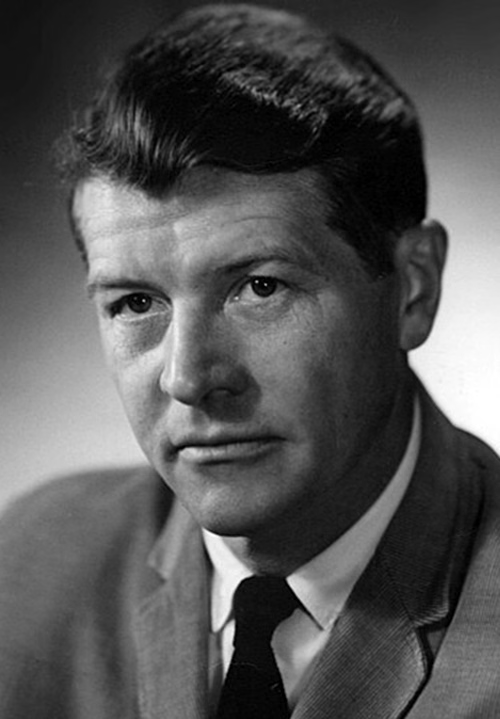 American biochemist Christian B. Anfinsen (pictured right), during the mid-twentieth century, advanced the concept of molecular self-assembly. Anfinsen was pivotal in advancing evolutionary concepts into a molecular era with his 1959 book, The Molecular Basis of Evolution.
Anfinsen viewed the interface between proteins and nucleic acids’ genetic information as the natural mechanism driving the origin of life. The concept of molecular self‑assembly emerged as a foundational biological principle for the origin of life.
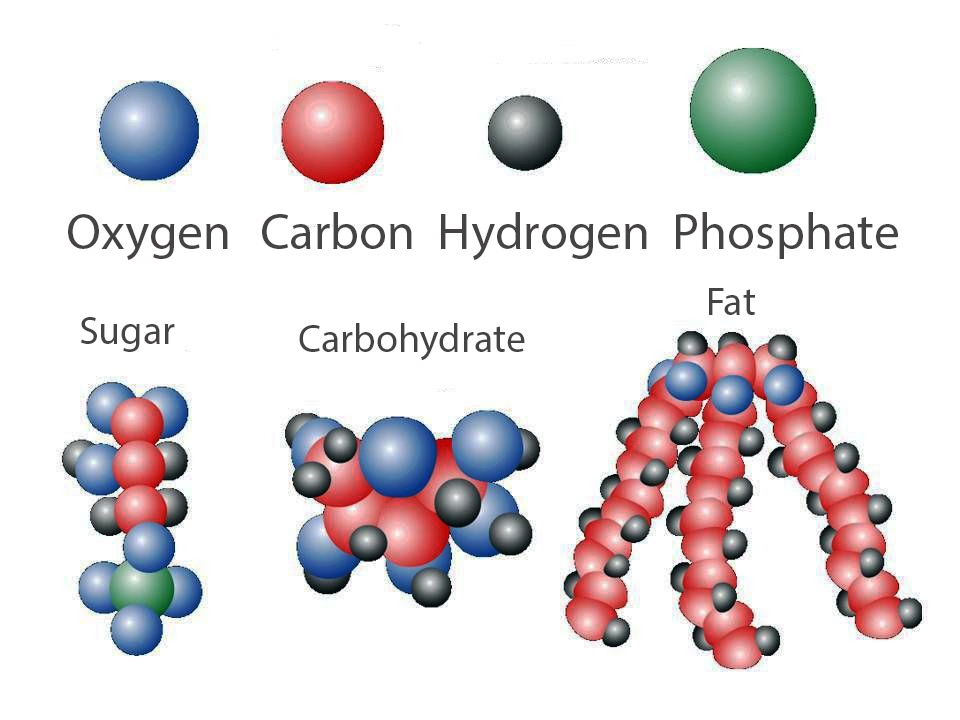
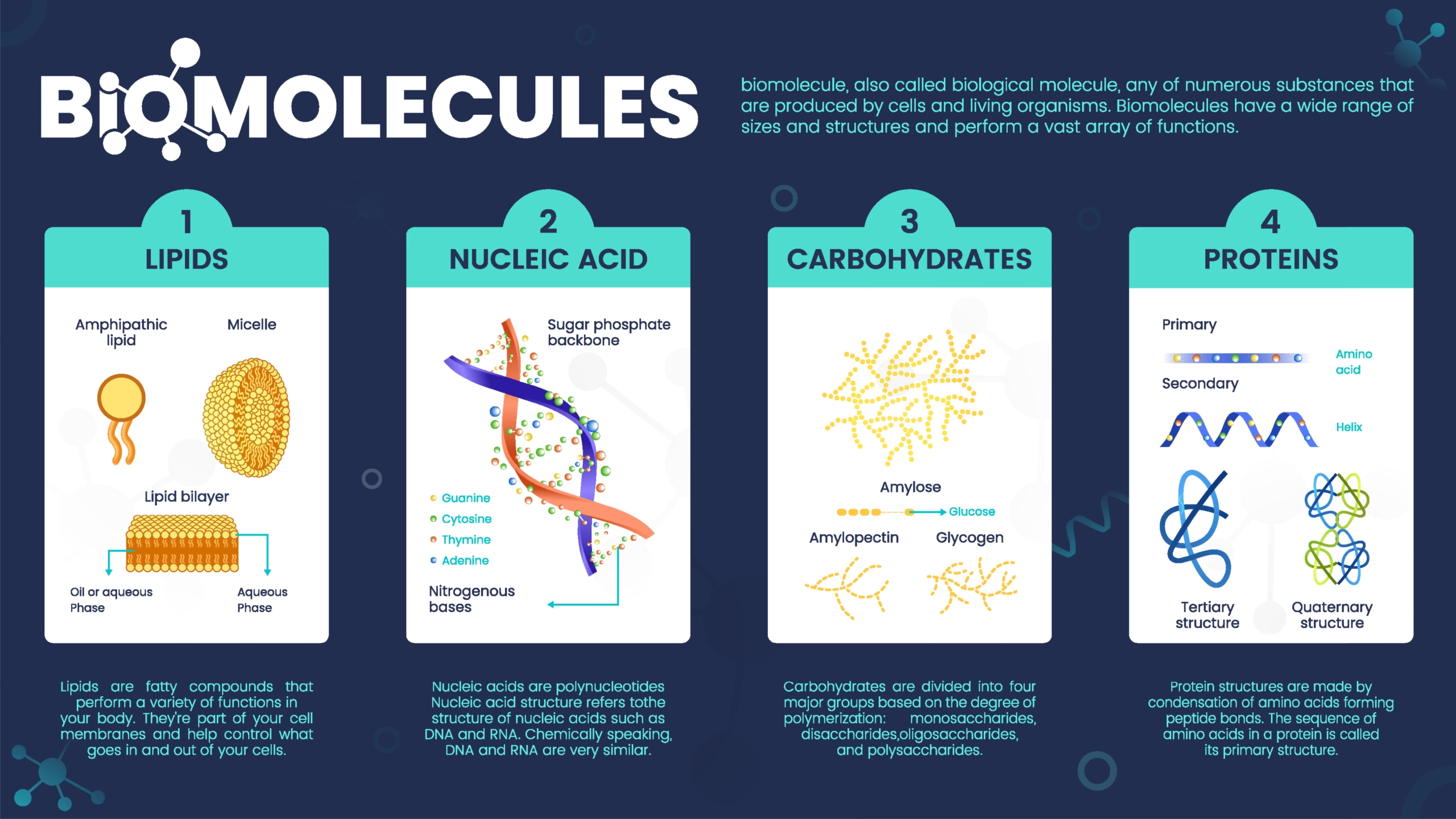 Together, they are the only types of molecules (pictured right) known to exhibit a sequence-to-structure-to-function process to drive the emergence of life. However, protein function is entirely dependent on their precise 3D structure, which is determined by their amino acid sequences.
Given that functional protein structures are determined by nucleic acid sequences, the “’first” question gets complicated. Anfinsen, however, developed a perspective experimentally.
Evidence for Self-Assembly
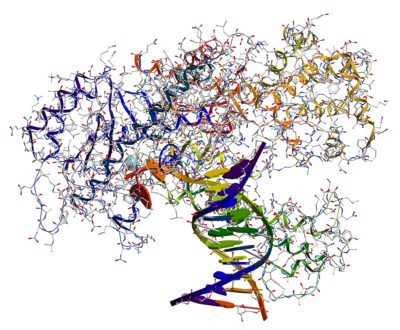
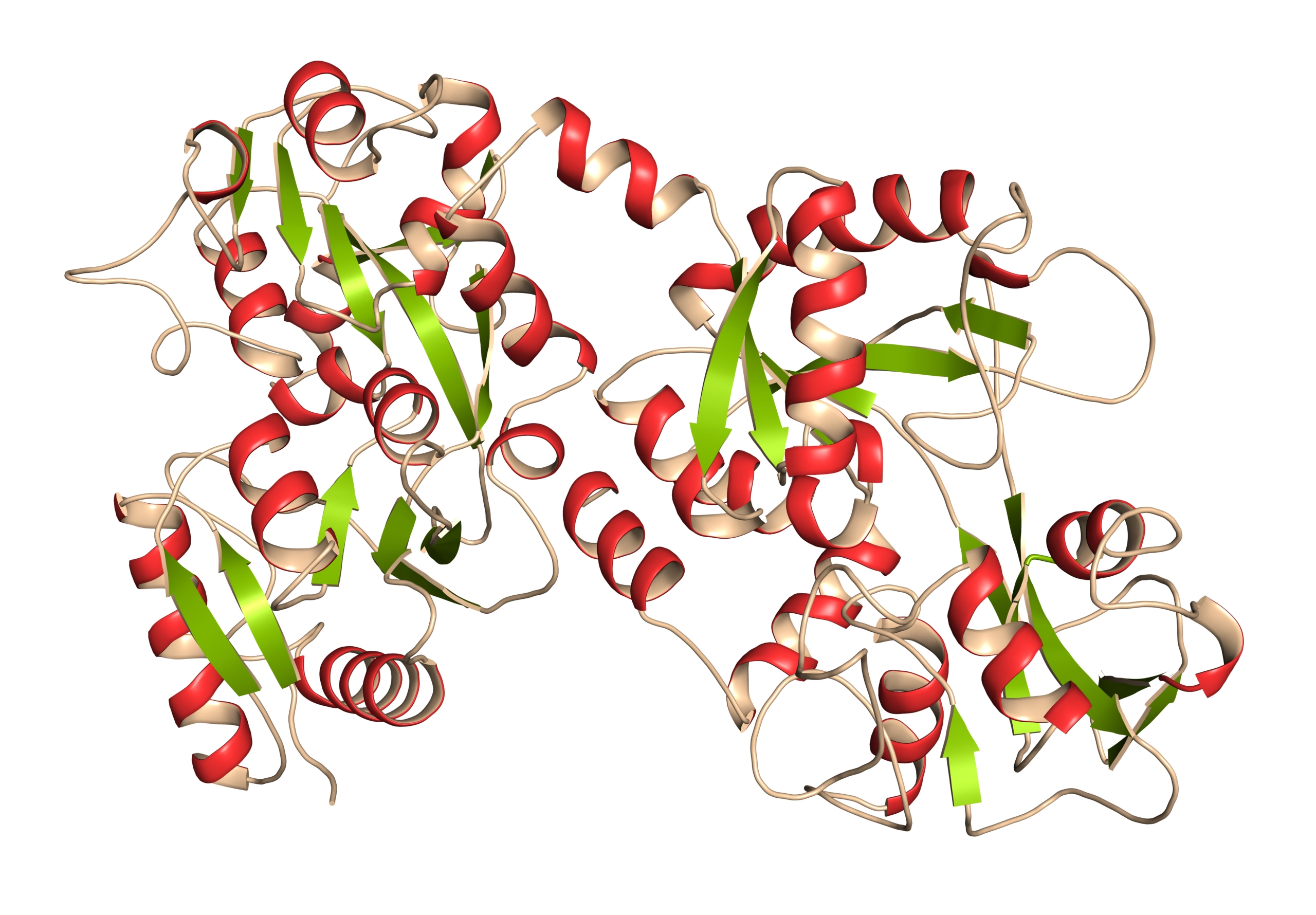 Ribonuclease, abbreviated as RNase, is a protein (pictured left) enzyme that catalyzes the degradation of RNA into smaller components. In 1961, Anfinsen observed that ribonuclease proteins refold after denaturation, during which their enzyme activity was fully preserved.
Therefore, the evidence suggests that the information required for a protein’s 3D structure was encoded in its original amino acid sequence. This phenomenon is now known as Anfinsen’s thermodynamic hypothesis, also known as Anfinsen’s dogma.
However, Anfinsen’s hypothesis did not answer the deeper origin‑of‑life question – “What came first?”
Nobel Prize
Anfinsen, collectively with Stanford Moore and William Howard Stein, were awarded the 1972 Nobel Prize in Chemistry. They revealed that biological function emerges from the chemical interplay between nucleic acids (information) and proteins (structure and catalysis).
Perhaps surprisingly, proteins play a role in regulating information by controlling RNA molecules. RNases regulate how long an RNA molecule persists, how it is processed, and how it is eliminated. In essence, proteins are the surprising temporal regulators of the origin of life’s genetic information and quality control.
“Anfinsen’s dogma,” however, cannot be projected backward to explain the origin of life’s “What came first?” question. While his dogma reinforces the idea that functional proteins require prior informational encoding, it still does not explain how life emerged.
In the quest for a cohesive theory of abiogenesis, biochemist Michael Blaber experimentally studied the question of “What came first?”
Study Findings
 Blaber (pictured right), of Florida State University, presented “Simplified protein design biased for prebiotic amino acids yields a foldable, halophilic protein.” Published in the Proceedings of the National Academy of Sciences (January 2013), the findings support the “protein-first” concept reported –
“Our experimental results provide support for the hypothesis that the prebiotic set of amino acids defines a foldable set and, furthermore, that such foldability is most compatible with the halophile environment.”
Halophiles are organisms that live in an environment with high salinity. The report is the product of a three-year investigation. Blaber noted the importance of the report in an April interview with Doug Carlson of PhosOrg –
“The current paradigm on the emergence of life is that RNA came first and in a high-temperature environment,”
Blaber noted the importance of their “What came first” findings, stating –
“The data we are generating are much more in favor of a protein-first view in a halophile environment.”
Noting the limitations of their findings, Blaber stated –
“The halophile, or salt-loving, environment has typically been considered one that life adapted into, not started in.”
Alongside the “protein-first” concept, Blaber argued that the type of environment played a key role in abiogenesis, noting –
“Rather than a curious niche that life evolved into, the halophile environment… now may take center stage as the likely location for key aspects of abiogenesis.”
However, the “protein-first” concept is controversial.
“Protein-First” Critics of Abiogenesis
 An Achilles’ heel of a “protein‑first” abiogenesis model is simply the availability of amino acids. Dean Kenyon (pictured left), San Francisco State University biology professor, argued –
“If the association of amino acids were a completely random event… there would not be enough mass in the entire Earth, assuming it was composed exclusively of amino acids, to make even one molecule of every possible sequence of… a low-molecular-weight protein.”
However, the question of how life emerged is infinitely more complex than the “What came first” issue. For a “protein‑first” concept to be scientifically valid, proteins must autonomously be demonstrated to –
- Replicate
- Encode information
- Function independently of other molecular systems
These functions, however, have yet to be scientifically shown by proteins in abiogenesis studies. More importantly, protein‑first is the least supported because it places life’s most complex molecules at the beginning of the process.
While the team’s approach aligns with Charles Darwin’s theory, the protein self-assembly origin-of-life scenario competes with the popular “RNA-first” origin-of-life theory.
Self-Assembly Dilemma
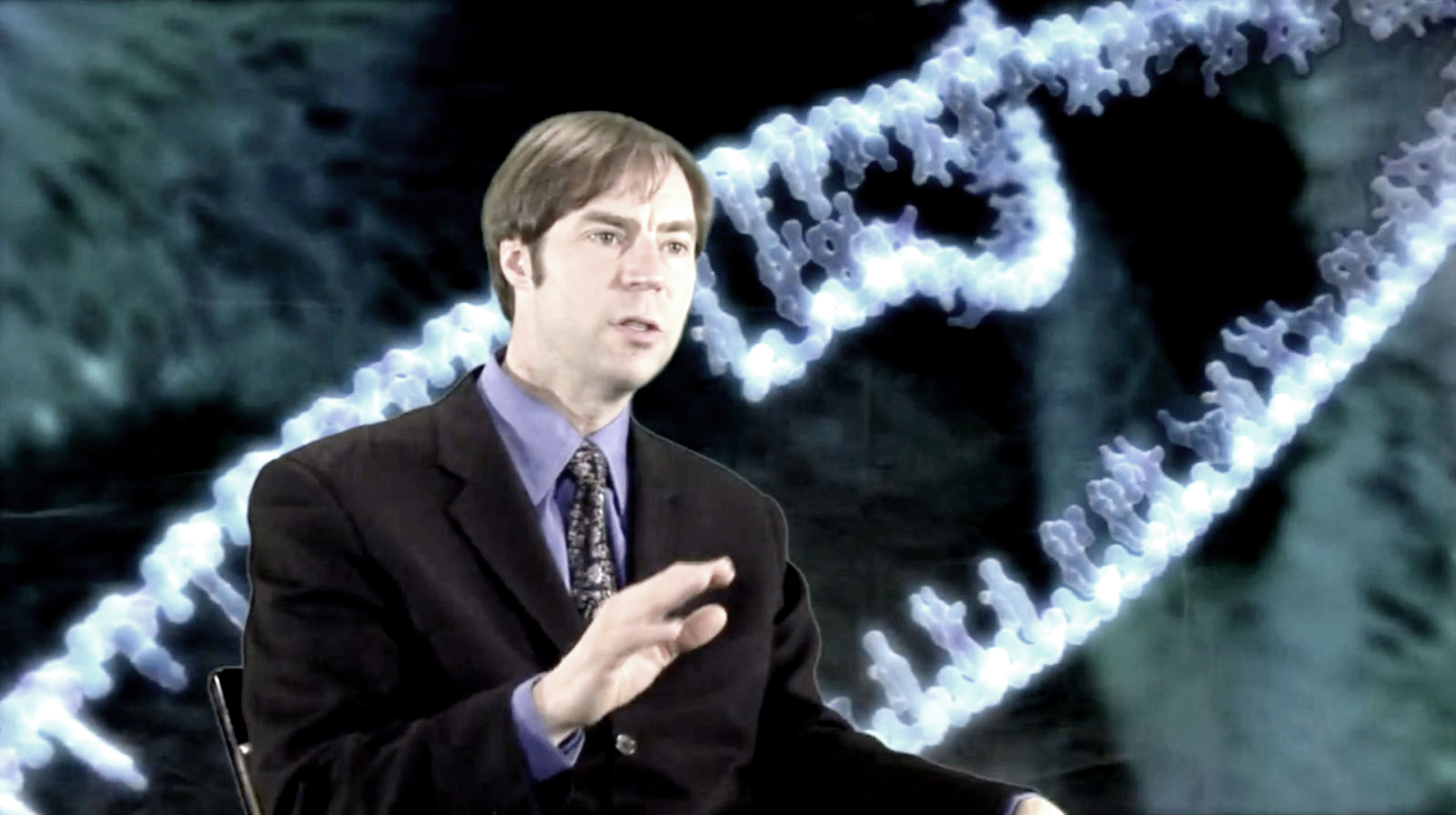 Despite a century of speculation and a half-century of active experimentation, there is no consensus on a coherent origin-of-life hypothesis. As a philosopher of science, Stephen C. Meyer (pictured right), in the book Signature in the Cell (2010), explains –
“Therefore, self-organizational forces of chemical necessity [self-assembly], which produce redundant order and preclude complexity, preclude the generation of specified complexity.”
The status of the origin-of-life self-assembly dilemma in 2013 echoes that of Francis Crick. Nobel Prize winner and co-discoverer of the DNA molecule, in his 1981 book Life Itself: Its Origin and Nature, Crick explained –
“An honest man, armed with all the knowledge available to us now, could only state that in some sense, the origin of life appears at the moment to be almost a miracle, so many are the conditions which have to be satisfied to get it going.”
Meyer’s and Crick’s conclusions also resonate with those expressed by Charles Darwin in The Origin of Species –
“It is no valid objection that science as yet throws no light on the far higher problem of the essence or origin of life. Who can explain what is the essence of the attraction of gravity?”
Scientific Consensus
After decades of study, no modern scientific organization has reached consensus on a cohesive hypothesis explaining a self-assembly origin of life concept. Scientific organizations do not issue consensus statements on questions where the evidence is incomplete, the mechanisms are unresolved, and the field has not converged on a dominant explanatory framework.
Any phenomenon not linked to natural causes and effects, like abiogenesis, is outside the domain of scientific investigation. Therefore, since science can neither validate nor invalidate abiogenesis or creation, both explanations can be deemed supernatural events.
Genesis
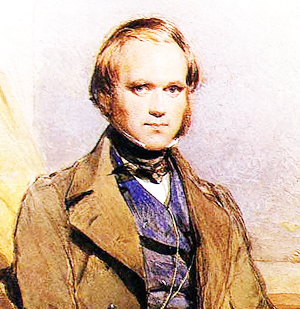 In the concluding paragraph of The Origin of Species, since nature only chanes through causes and effects, Darwin could only conclude –
“There is grandeur in this view of life, with its several powers, having been originally breathed by the Creator into a few forms or into one.”
The ancient quest to understand the origin of life is a noble cause. As Solomon wrote in Proverbs
“It is the glory of God to conceal a matter, But the glory of kings is to search out a matter.”
However, while proposed as a natural self-assembly process for the emergence of life, none are supported with a scientifically valid hypothesis.
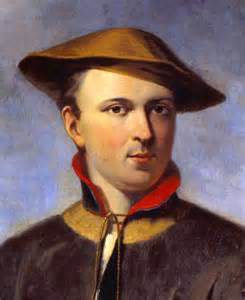 In the words of Carolus Linnaeus, Swedish botanist, physician, and zoologist who formalized our modern system of naming organisms –
“I saw the infinite, all-knowing and all-powerful God from behind.… I followed His footsteps over nature’s fields and saw everywhere an eternal wisdom and power, an inscrutable perfection.”
Self-Assembly Origin of Life Concepts is an Origin of Life article.

Darwin Then and Now is an educational resource on the intersection of evolution and science, highlighting the ongoing challenges to the theory of evolution.
Move On
Explore how to understand twenty-first-century concepts of evolution further using the following links –
-
- The Understanding Evolution category showcases how varying historical study approaches to evolution have led to varying conclusions. Subcategories include –
- Studying Evolution explains how key evolution terms and concepts have changed since the 1958 publication of The Origin of Species.
- What is Science explains Charles Darwin’s approach to science and how modern science approaches can be applied for different investigative purposes.
- Evolution and Science feature study articles on how scientific evidence influences the current understanding of evolution.
- Theory and Consensus feature articles on the historical timelines of the theory and Natural Selection.
- The Biography of Charles Darwin category showcases relevant aspects of his life.
- The Glossary defines terms used in studying the theory of biological evolution.
- The Understanding Evolution category showcases how varying historical study approaches to evolution have led to varying conclusions. Subcategories include –
2020 Updates
“Protein-First”
While the RNA world model is the most popular, the “protein-first” self-assembly origin of life model still has its advocates. Jordana Cepelewicz, staff writer for Quanta Magazine (2017), in the article “Life’s First Molecule Was Protein, Not RNA, New Model Suggests.” As the subtitle explains –
“Which mattered first at the dawn of life: proteins or nucleic acids? Proteins may have had the edge of a theorized process that let them grow long enough to become self-replicating catalysts.”
Astrobiology at NASA
On April 13, 2020, NASA updated the Research Highlight “Earth’s Early Atmosphere” memorandum posted in December 2011. The update, entitled Earth’s Early Atmosphere: An Update, states –
“The findings, which appear in the current issue of Nature, are the first direct evidence of what the ancient atmosphere of the planet was like soon after its formation and directly challenge years of research on the type of atmosphere out of which life arose on the Earth…
“Now, scientists at Rensselaer are turning these atmospheric assumptions on their heads with findings that prove the conditions on early Earth were simply not conducive to the formation of this type of atmosphere but rather to an atmosphere dominated by the more oxygen-rich compounds found within our current atmosphere — including water, carbon dioxide, and sulfur dioxide.”
Since the evolution industry subscribes to the theory of everything, any possibility is possible, even though highly improbable.