by Richard William Nelson | Jan 3, 2023
 The modern genetic shift early in the twentieth century rescued Darwin’s theory of natural selection, to a point. By the end of the nineteenth century, Charles Darwin’s influence had continued to deteriorate, stemming from his obsolete theory of inheritance.
In the search for a scientifically valid theory, scientists early in the twentieth century rediscovered Gregor Mendel’s theory of inheritance. His work had been published thirty years earlier.
Mendel’s theory delivered what Darwin missed – a scientifically valid theory of inheritance capable of driving evolution.
Continue Reading
by Richard William Nelson | Nov 8, 2022
Inheritance is the second of the five principles of natural selection introduced by Charles Darwin in The Origin of Species. While Darwin knew that inheritance plays a crucial role in natural selection, he was conflicted over how it works, noting –
“The laws governing inheritance are, for the most part, unknown.”
Niles Eldredge, of the American Museum of Natural History, introduced the V.I.S.T.A. framework to codify the principles of Darwin’s theory. The five structural principles of natural selection are variation, inheritance, selection, time, and adaptation.
In 1837, nearly twenty years before publishing The Origin of Species, Darwin drew his first sketch linking inheritance to speciation (pictured left).
Continue Reading
by Richard William Nelson | Jan 13, 2022
Three years into the pandemic, the origin of COVID-19 is still controversial. Two leading theories are under investigation: natural selection process or genetically engineered – each with vastly different implications. The phylogenetics of coronaviruses is the key to the COVID-19 origin dilemma and gaining insights into the theory of evolution.
Coronaviruses are RNA, not DNA viruses. RNA viruses are associated with causing the common cold, influenza, mumps, and measles; coronaviruses in humans can cause respiratory tract infections ranging from no symptoms, mild symptoms to a cytokine storm resulting in organ failure and death in humans.
Continue Reading
by Richard William Nelson | Mar 10, 2020
The fate of Charles Darwin’s finches is a fascinating saga. Far from England on the equator in the Pacific Ocean lying more than 800 miles off the west coast of Ecuador, the finches Darwin captured on the Galapagos Islands (pictured left), except for one tag, are now missing. As one of the most controversial birds in modern history, the fate of Darwin’s finches belies their current iconic status.
Reaching the Galápagos Islands on September 15, 1835, more than four years after leaving England, the HMS Beagle started preparations to set sail from the island just five weeks later. Darwin had collected many different types of specimens during that time, some weighing up to 500 pounds each. Although typically an avid collector and note-taker, Darwin surprisingly did not record the number of finches collected nor the number loaded onto the ship.
Continue Reading
by Richard William Nelson | Jan 25, 2020
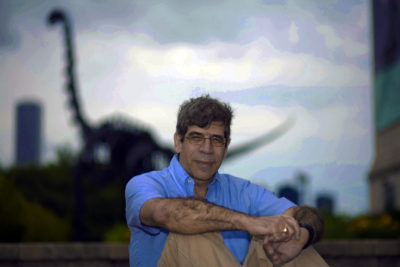
“We humans have many vestigial features proving that we evolved,” argues Jerry A. Coyne, Ph.D. (pictured left), biology professor at the University of Chicago. Coyne is the author of the book Why Evolution is True. Vestiges are biological features thought to be evolution relics. Scientific evidence, however, is critical; are evolution vestiges fact, or fiction?
Aristotle (384–322 BC) originated the vestiges theory. Even though WIKIPEDIA considers the theory as “controversial and not without dispute,” the carte blanche use of vestiges continues as supporting evidence for the popular “evolution is true” argument.
Recent advances in biotechnology, however, are challenging the scientific validity of the evolution vestiges theory.
Continue Reading

 The modern genetic shift early in the twentieth century rescued Darwin’s theory of natural selection, to a point. By the end of the nineteenth century, Charles Darwin’s influence had continued to deteriorate, stemming from his obsolete theory of inheritance.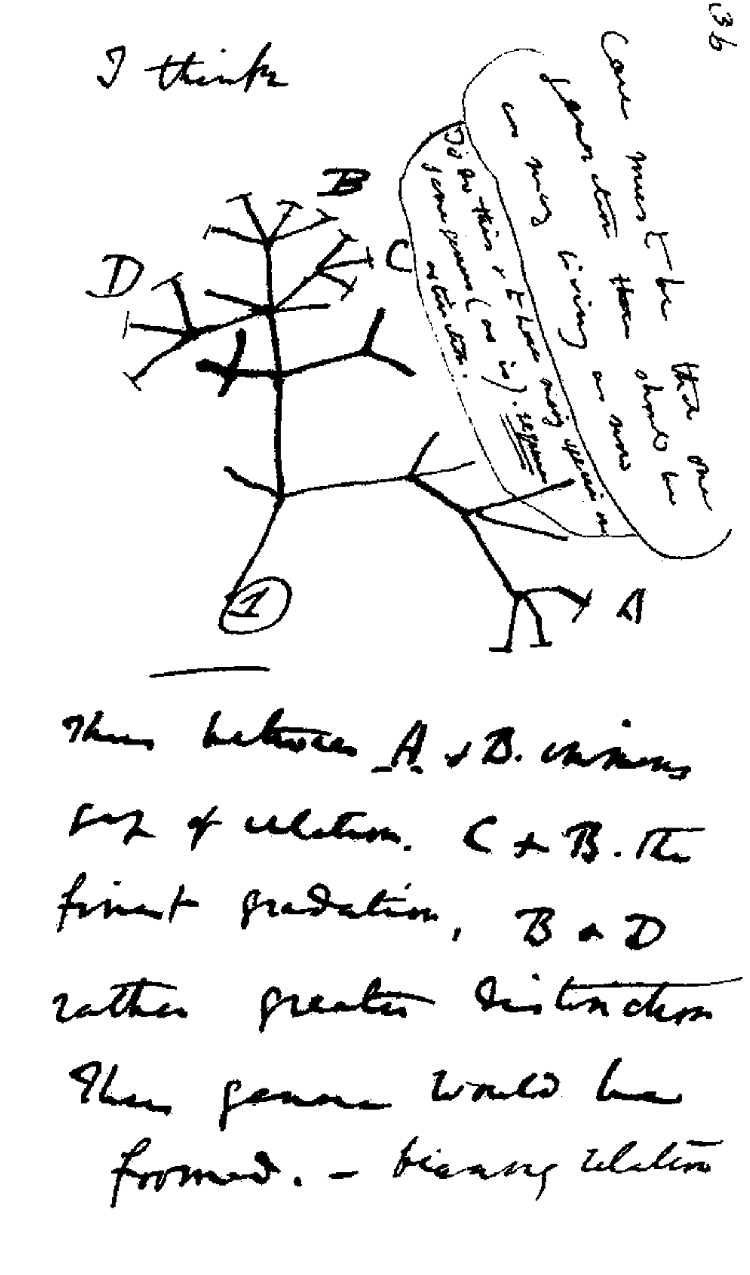
 Three years into the pandemic, the origin of
  The fate of
  “We humans have many vestigial features proving that we evolved,” argues