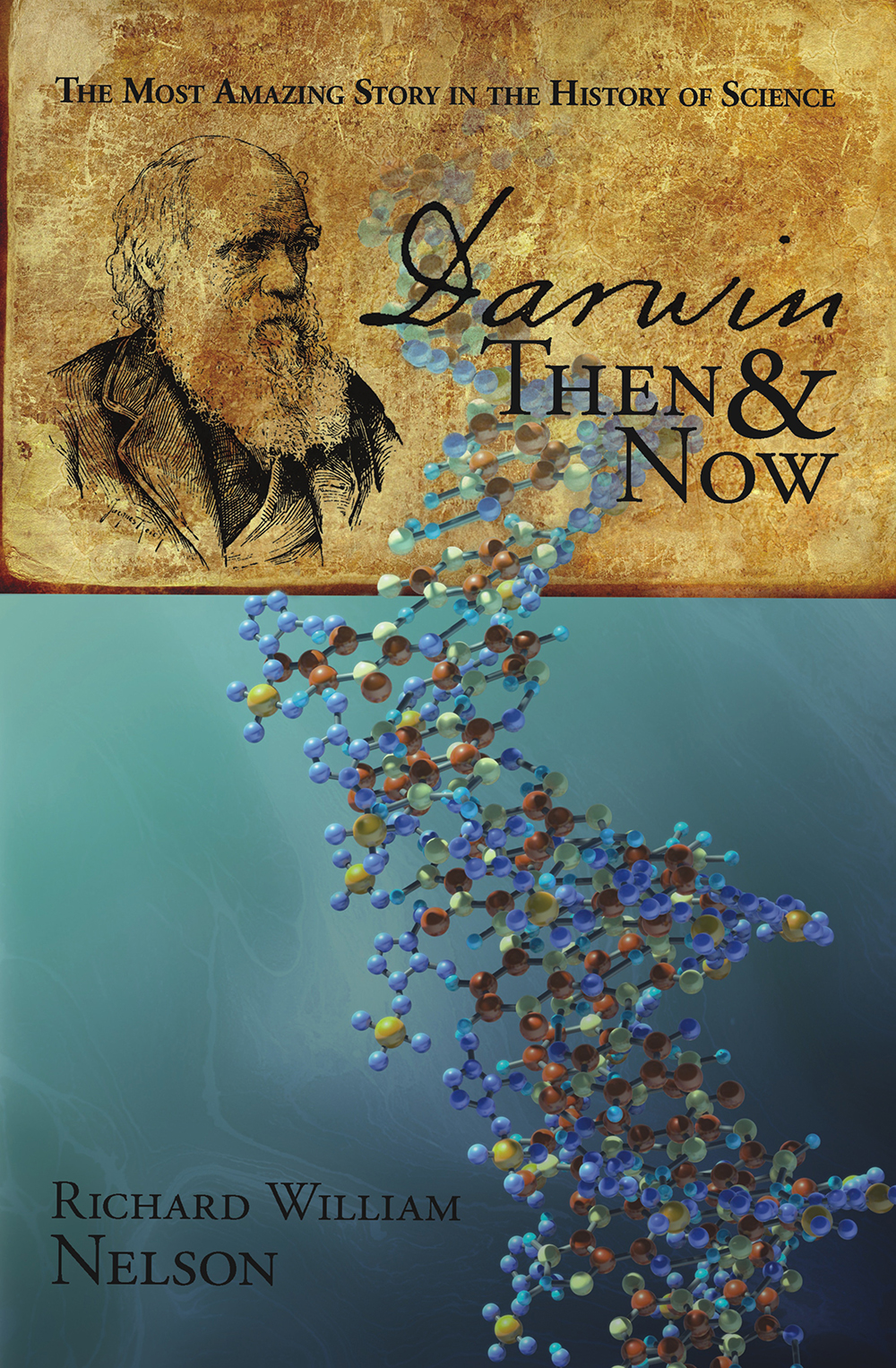
by Richard William Nelson | Aug 17, 2022

Variation is the first of the five principles of natural selection introduced by Charles Darwin in The Origin of Species. Darwin explains –
“Natural Selection acts exclusively by the preservation and accumulation of variations,”
Niles Eldredge, of the American Museum of Natural History, introduced the V.I.S.T.A. framework to codify the principles of Darwin’s theory. Darwin’s five structural principles of natural selection are variation, inheritance, selection, time, and adaptation.
Continue Reading
by Richard William Nelson | Jan 25, 2020
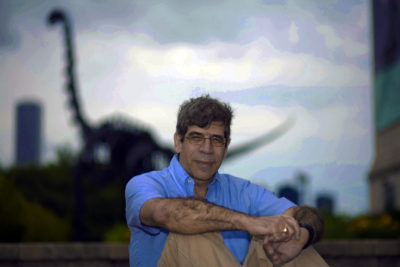
“We humans have many vestigial features proving that we evolved,” argues Jerry A. Coyne, Ph.D. (pictured left), biology professor at the University of Chicago. Coyne is the author of the book Why Evolution is True. Vestiges are biological features thought to be evolution relics. Scientific evidence, however, is critical; are evolution vestiges fact, or fiction?
Aristotle (384–322 BC) originated the vestiges theory. Even though WIKIPEDIA considers the theory as “controversial and not without dispute,” the carte blanche use of vestiges continues as supporting evidence for the popular “evolution is true” argument.
Recent advances in biotechnology, however, are challenging the scientific validity of the evolution vestiges theory.
Continue Reading
by Richard William Nelson | Jul 28, 2016
In the native land of Charles Darwin, for the first time, the Royal Society is challenging evolutionary academia to develop a new theory of biological evolution. As the original science organization in Western Civilization, the Society explains the problem with today’s most popular current theory:
“Developments in evolutionary biology and adjacent fields have produced calls for revision of the standard theory of evolution, although the issues involved remain hotly contested.”
Increasingly, the standard theory of evolution has been challenged in the wake of the twentieth-century genomic revolution.
Continue Reading
by Richard William Nelson | Mar 3, 2016
R2D2, short for Artoo-Detoo, is best known as the fictional robotic character in the Star Wars universe series created by George Lucas. Inducted into the Robot Hall of Fame in 2003, R2D2 has since been included in the Smithsonian Institution’s list of 101 Objects that Made America.
R2D2 is the good guy, the favorite character of George Lucas, known for always saving the day at least once in every film. However, R2D2 disses Darwin.
In the realm of biology, however, the R2d2 gene is a Darth Vader villain terrorizing Darwin’s once-popular theory.
Continue Reading
by Richard William Nelson | Feb 11, 2016
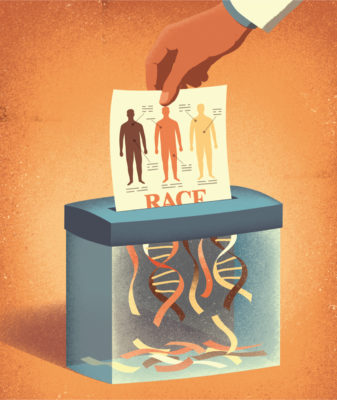
Starting with his infamous book, The Origin of Species (1859), Charles Darwin legitimized racism based on the theory of evolution, albeit briefly. The complete title contains the essential phrase “preservation of favoured races” –
“On the origin of species by means of natural selection, or the preservation of favoured races in the struggle for life”
How his concept of “races” applies to humans was clarified in The Descent of Man (1871). Darwin explains –
“The sole objective of this work is to consider… the value of the differences between the so-called races of man.”
Continue Reading

 “We humans have many vestigial features proving that we evolved,” argues
  In the native land of
 Starting with his infamous book,