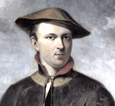
 Swedish botanist Carolus Linnaeus (pictured left) is credited with formalizing the first modern system of species naming in the eighteenth century. His two-name system, known as binomial nomenclature, incorporates a genus and a species name – for example, Staphylococcus aureus.
The genus is the name for a group of similar species. In the example, the genus name is Staphylococcus, and aureus is the specific name of the species. The genus is the taxonomic rank above species and below family in biological classification systems of life forms.
Charles Darwin’s System
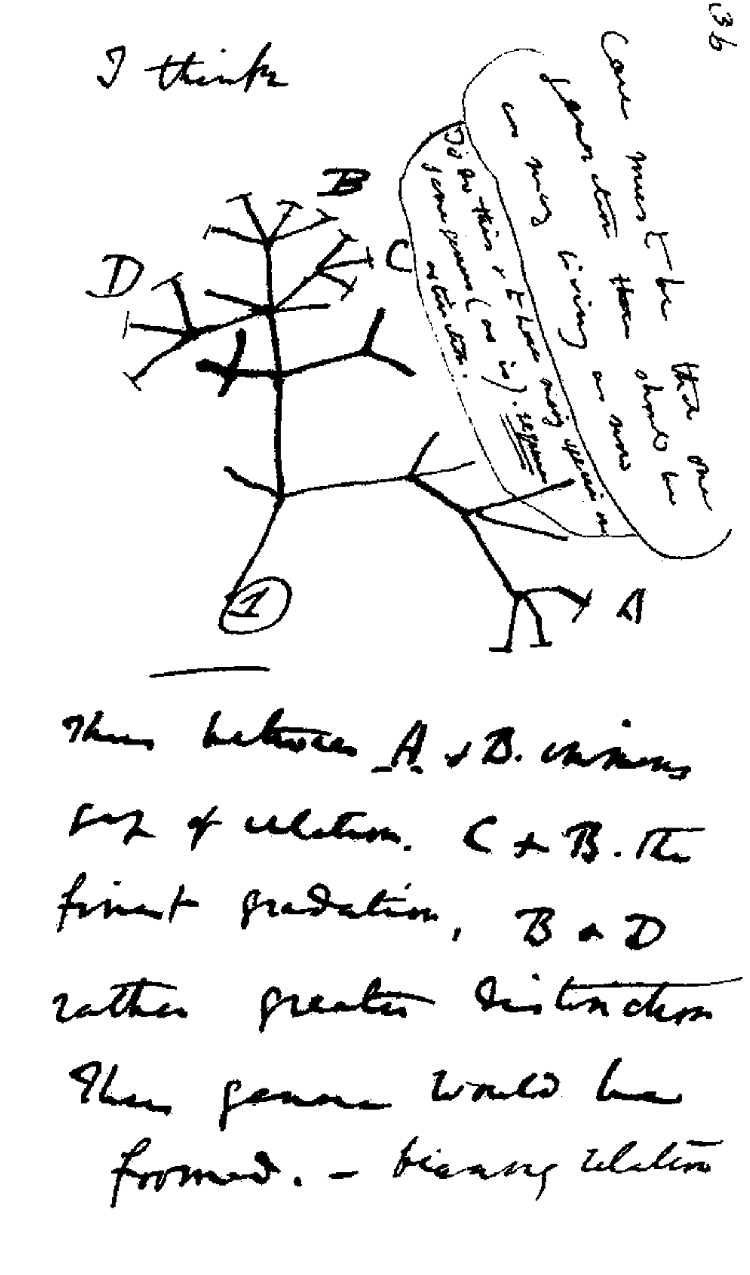 Charles Darwin did not use Linnaeus’ naming convention, as depicted in his “I Think” 1837 drawing (pictured right). However, a universal system of naming is essential for understanding modern biology. Of the trillions of species estimated to have ever lived on Earth, only about 2 million species have an assigned binomial name.
Numerous initiatives sought to set naming rules beginning in the nineteenth century. However, as the discovery of new species exploded in the twentieth century, so did the challenge of systematically naming and grouping organisms.
Organizing the Naming Process
Finally, in 1985, the International Union of Biological Sciences (IUBS) launched initiatives to harmonize the naming process. Standardized nomenclature codes began to govern species naming.
However, by the twenty-first century, the complexities and differences observed between the life forms prompted the formation of new organizations. These new organizations codify methods for naming Earth’s diverse biosphere. The current naming organizations include –
-
- Algae, Fungi, and Plants – International Code of Nomenclature for algae, fungi, and plants (ICN), which in July 2011 replaced the International Code of Botanical Nomenclature (ICBN) and the earlier International Rules of Botanical Nomenclature.
- Animals – International Code of Zoological Nomenclature (ICZN)
- Bacteria and Archaea – International Code of Nomenclature of Prokaryotes (ICNP), which in 2008 replaced the International Code of Nomenclature of Bacteria (ICNB)
- Bacteria and Archaea described from sequence data – Code of Nomenclature of Prokaryotes Described from Sequence Data (SeqCode)
- Cultivated plants – International Code of Nomenclature for Cultivated Plants (ICNCP)
- Plant associations – International Code of Phytosociological Nomenclature (ICPN)
- Viruses – The International Code of Virus Classification and Nomenclature (ICVCN); see also virus classification
- International Committee on Taxonomy of Viruses (ICTV)
Species-Naming Process is a subcategory of Extinction and Speciation.
More
-
- Click “Darwin’s Species Problem” for an explanation of how Darwin created his problem.

Darwin Then and Now is an educational resource on the intersection of evolution and science, highlighting the ongoing challenges to the theory of evolution.
Move On
Explore how to understand twenty-first-century concepts of evolution further using the following links –
-
- The Understanding Evolution category showcases how varying historical study approaches to evolution have led to varying conclusions. Subcategories include –
- Studying Evolution explains how key evolution terms and concepts have changed since the 1958 publication of The Origin of Species.
- What is Science explains Charles Darwin’s approach to science and how modern science approaches can be applied to different investigative purposes.
- Evolution and Science (current page) features study articles on how scientific evidence influences the current understanding of evolution.
- Theory and Consensus feature articles on the historical timelines of the theory and Natural Selection.
- The Biography of Charles Darwin category showcases relevant aspects of his life.
- The Glossary defines terms used in studying the theory of biological evolution.
- The Understanding Evolution category showcases how varying historical study approaches to evolution have led to varying conclusions. Subcategories include –